
Where to Use Spray Foam Insulation
Homeowners seek methods to improve indoor climate control and eliminate energy waste. Traditional materials leave gaps around framing components, allowing conditioned air to escape. Modern synthetic solutions provide airtight seals that contour to the building structure. Expanding polyurethane grows upon application, filling hidden crevices and structural voids. This creates a continuous thermal envelope around the living space. By stopping thermal transfer and air infiltration, residents experience superior comfort. The material conforms to irregular shapes, fitting complex architectural designs.
Knowing exact locations to apply this substance maximizes overall benefits. Different areas of a house experience unique temperature fluctuations and continuous moisture exposure. A professional spray foam insulation service evaluates these distinct zones to determine optimal application strategies. This thorough assessment ensures building owners invest their resources into spaces yielding maximum efficiency gains. From peak attic spaces down to dark subterranean foundations, targeted application transforms a drafty structure into a secure fortress. This guide explores prime locations to apply this expanding barrier.
Targeting the Attic Space
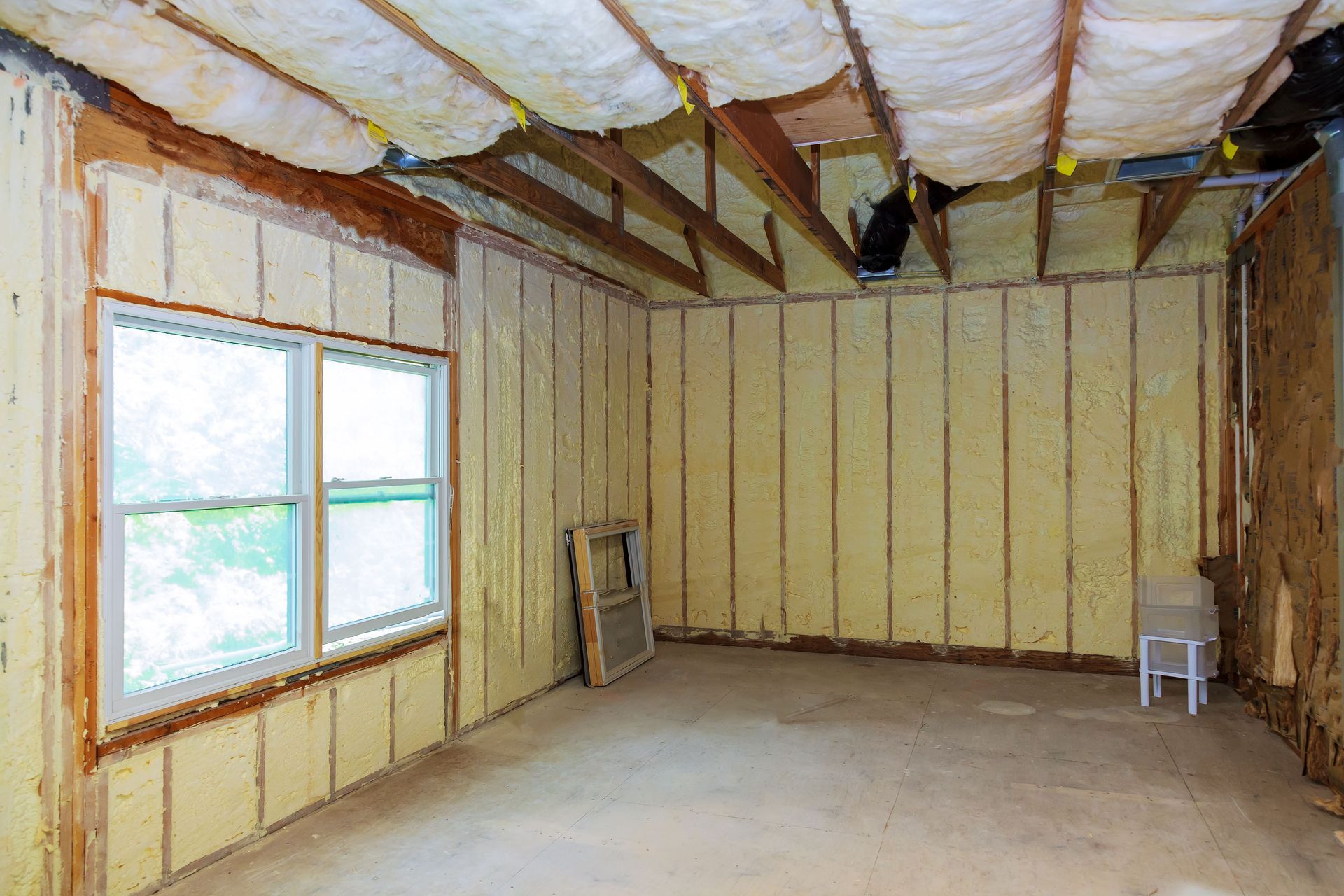
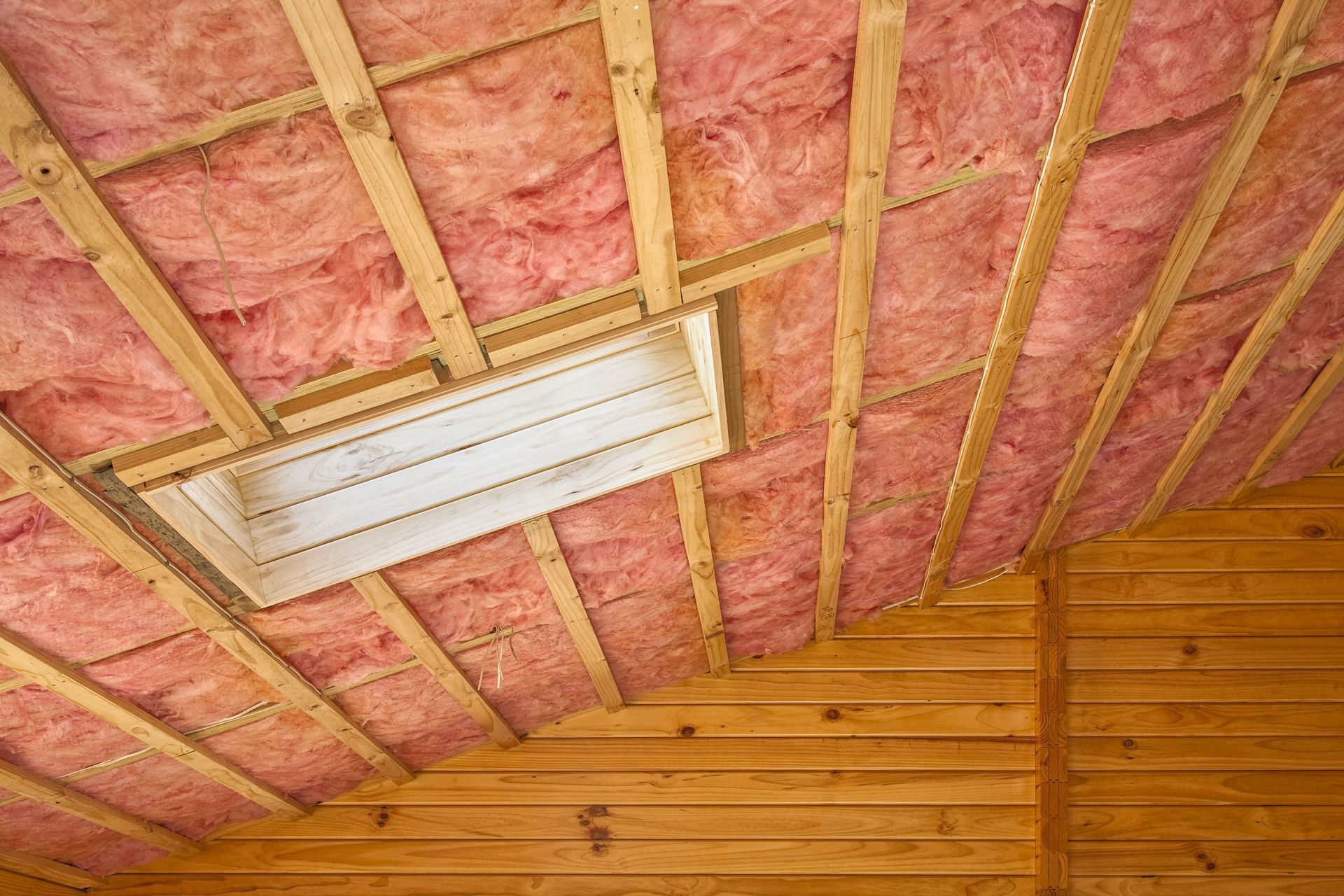
The highest level of a house dictates internal temperatures throughout the year. Heat rises, escaping through the roof structure during freezing winter months. Summer sun beats down on shingles, radiating heat into the living spaces located below. Proper coverage in this elevated zone stops thermal transfer. Traditional fiberglass batts allow air to flow through the fibers, rendering them ineffective against drafts. Expanding polymers block air movement, creating a solid barrier.
Roof decks require special attention from installers seeking maximum efficiency. Applying expanding material onto the underside of the roof deck creates a conditioned space within the attic. This application prevents extreme temperature swings in the storage area above the main living quarters. HVAC ductwork running through this upper zone benefits from the moderated climate. Conditioned air traveling through ducts maintains its temperature, reducing the workload on furnace and air conditioner systems.
Vented attics present challenges for standard materials like cellulose. Blown-in fibers settle and degrade, losing thermal resistance. Expanding polyurethane adheres to wooden joists and roof sheathing, creating a permanent, steadfast barrier. Hiring a skilled spray foam insulation service ensures complete coverage without blocking crucial soffit vents if the home utilizes a hybrid ventilation system. The structural rigidity adds strength to the roof assembly.
Moisture control remains an additional compelling reason to select this robust method. Roof leaks or sudden condensation lead to toxic mold growth and devastating wood rot. Closed-cell variants resist water penetration, protecting the wooden framing members from decay. According to Bob Vila, spray foam is up to 50 percent more efficient than some other types of insulation because it also acts as a sealant. Keeping upper levels dry preserves the structural integrity of the residential building.
Sealing the Basement Walls
Subterranean rooms harbor dampness and uncomfortable air. Concrete foundations absorb ground moisture, transferring wetness indoors. Uninsulated basements drag down the ambient temperature of the house above them. Addressing this underground zone changes the environment from a chilling cavern to a comfortable extension of the home. The thick barrier stops cold earth from pulling heat out of the structure.
Applying expanding polymers to rim joists eliminates a major source of creeping drafts. The sill plate where wooden house framing meets the concrete foundation is notorious for relentless air leaks. The chemical mixture expands into these tight intersections, stopping freezing winter winds from entering the subfloor. A comprehensive spray foam insulation service pays special attention to perimeter junctions during application. Sealing the rim joist keeps floors warm.
Foundation walls themselves benefit from continuous coverage. Stud framing placed against cold concrete walls creates a cavity prone to condensation. Spraying closed-cell material onto the concrete prevents warm indoor air from reaching the freezing foundation surface. This separation eliminates the dew point clash and subsequent destructive moisture accumulation. The dense foam prevents liquid water from seeping through microscopic cracks.
Finishing a basement becomes a simpler task with the correct barrier secured in place. Drywall goes up over insulated studs with peace of mind regarding future water damage. The airtight seal keeps subterranean living areas cozy, dry, and welcoming. Homeowners reclaim this valuable square footage for recreation rooms, home theaters, or extra bedrooms without fear of lingering musty odors.
Filling the Wall Cavities
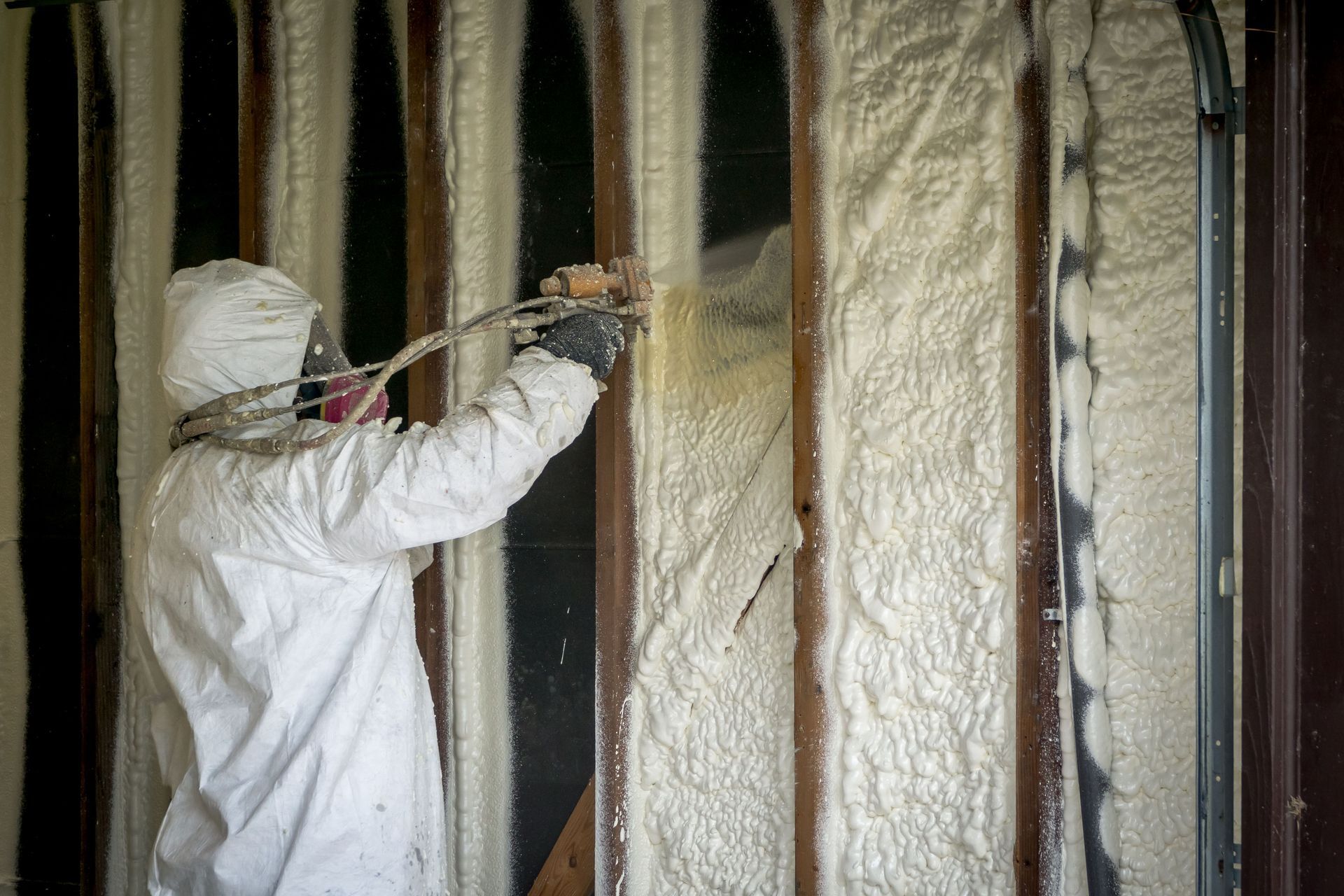
Exterior walls form the main protective envelope of any building structure. Driving rain, fierce wind, and fluctuating temperatures batter vertical exterior surfaces. Standard fiberglass batts sag within stud bays, leaving the top portions vulnerable to outdoor elements. Expanding material remains rigid and steadfast, holding its vertical position without compression. This permanence guarantees lasting energy efficiency. The solid core blocks wind from penetrating the outer shell.
New construction offers an unobstructed blank canvas for perfect application. Open stud bays allow rapid spraying before drywall installation hides the internal framing. The material surrounds electrical boxes, plumbing pipes, and complex wire runs with absolute precision. Utilizing a reliable spray foam insulation service during the framing phase guarantees optimal energy performance from the beginning of the home development process.
Older homes undergoing deep renovations present excellent opportunities for upgrades. Removing exterior siding or interior plaster walls exposes the empty, drafty wall cavities. Injectable variants enter through small drilled holes, expanding behind walls to fill hidden voids. This retrofitting process improves the baseline comfort levels of historic or aging residential properties. Homeowners notice an immediate drop in disruptive drafts.
Sound dampening provides an unexpected bonus in vertical structural areas. While thermal resistance stands as the main goal, the dense material absorbs loud acoustic vibrations. Heavy street traffic noise, loud neighbors, and howling storm winds become muffled and distant. Open-cell variants excel at creating serene interior environments protected from exterior chaos. The home becomes a peaceful sanctuary shielded from loud neighborhood disruptions.
Protecting the Crawl Spaces
The shallow area beneath the first floor acts as a prime breeding ground for building problems. Exposed earth releases constant moisture vapor, while open foundation vents allow seasonal outside air to circulate under the house. Floors situated above become cold in winter and clammy during humid summer days. Encapsulation using expanding polymers solves these persistent issues.
Sealing perimeter foundation walls, blocks outside, against weather elements. Applying thick foam onto concrete blocks acts as an impenetrable vapor barrier. Old ventilation grates are sealed shut, severing the flow of humid exterior air. A dedicated spray foam insulation service transforms this neglected, dirty zone into a clean, conditioned space. The entire house breathes easier with a dry foundation blocking ground moisture.
Insulating the ceiling of the crawl space offers an alternative approach. For areas requiring continued ventilation, applying closed-cell material between wooden floor joists protects the living space sitting above. The rigid product forms a solid shield against relentless moisture rising from the damp dirt floor below. Hardwood floors stay warm and dry, while critical wooden subfloors resist warping and decay.
Pests find expanding polymers unappealing as a nesting material. Mice, rats, and insects burrow through fluffy fiberglass batts with supreme ease, destroying the intended thermal value. Rigid polyurethane deters rodents and provides no sustenance for hungry bugs or destructive termites. This thick protective layer helps maintain a clean, hygienic environment beneath the structural footprint of the house. Keeping vermin out extends the lifespan.
Upgrading a home with expanding synthetic polymers requires careful planning and deep knowledge of the complex building envelope. Every structural zone demands a specialized approach. Identifying vulnerable areas within the architecture ensures maximum return on the home improvement investment. Monthly energy bills plummet when relentless drafts and invisible thermal bridges are eliminated through proper application techniques. Maintaining a comfortable internal climate becomes effortless.
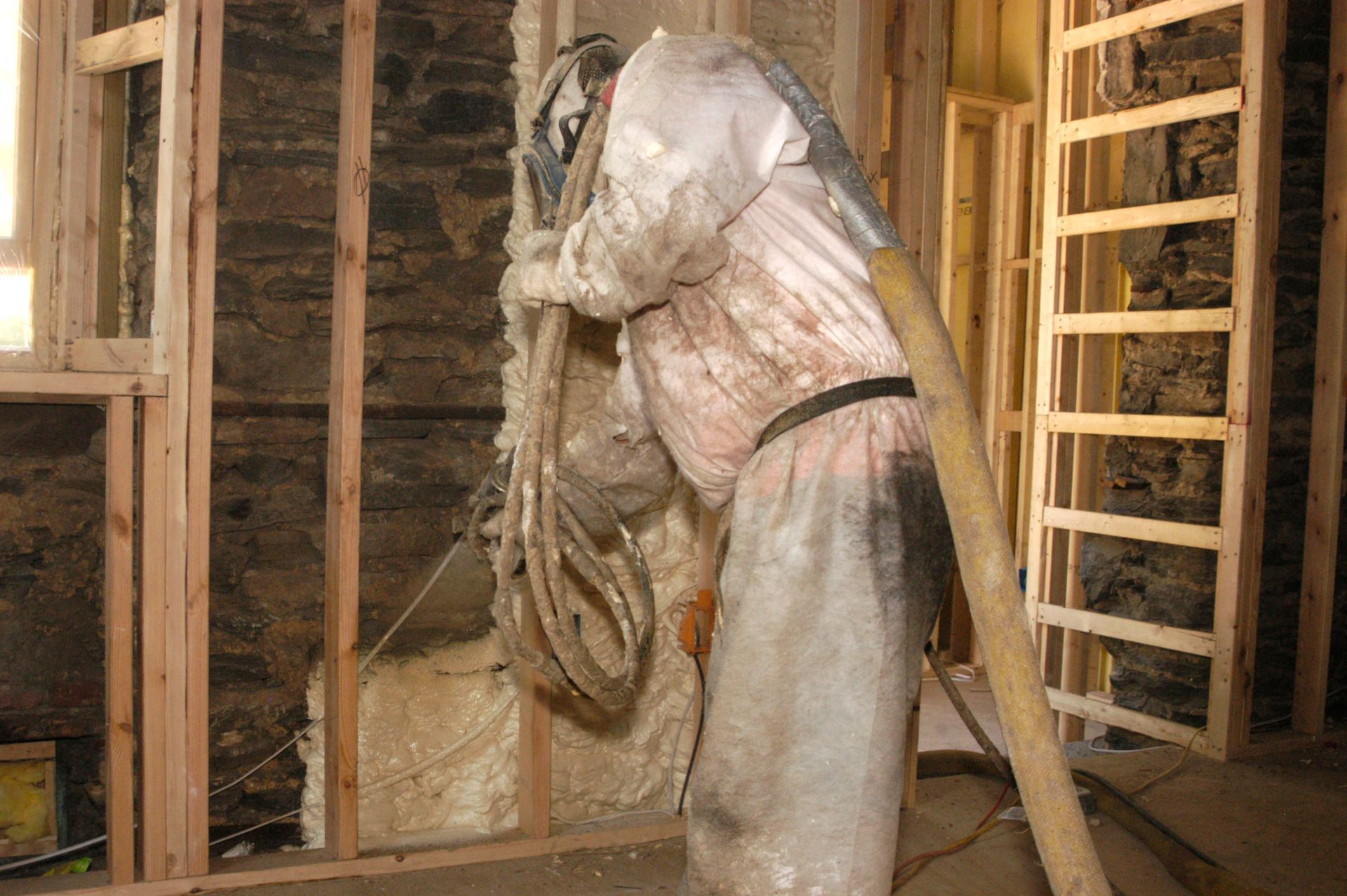
Partnering with experienced, knowledgeable professionals guarantees superior, lasting results. The delicate chemical reaction required to create expanding material necessitates precise mixing, careful temperature control, and practiced application techniques. Contracting a professional spray foam insulation service brings vital expertise and specialized equipment to the residential project. Enjoying a draft-free, comfortable, and efficient home makes the decision worthwhile. Contact Rubens Spray Insulation Inc to schedule a thorough spray foam insulation service for your property. Our team will secure your building and eliminate relentless drafts.

Share On: