
4 Signs Your Home Needs New or Upgraded Insulation
A house provides shelter against harsh weather conditions. Proper materials within the walls and attic keep the indoor environment stable. Over time, these materials degrade and lose their effectiveness. Homeowners miss the subtle signals of this ongoing degradation. Identifying the shifts in climate control helps maintain a pleasant living space. The boundary between indoors and outdoors requires periodic evaluation to ensure optimal performance. Ignoring the shifts leads to sustained discomfort.
Neglecting these signals leads to wasted resources. Upgrading the barrier between the indoors and outdoors solves common household problems. A reliable insulation service evaluates the current state of a house. Recognizing the indicators of poor thermal resistance prompts homeowners into action. Enhancing the protective layers creates a strong defense against extreme temperatures. A secure building envelope guarantees a serene atmosphere. Proactive maintenance saves effort over the lifespan of the home.
1. Observing Fluctuating Indoor Temperatures
Rooms feeling distinct from each other indicate a thermal boundary failure. A bedroom might feel cold while the living room remains warm. This uneven distribution strains the heating systems. Achieving uniform comfort becomes impossible without addressing the core issue. The lack of consistency frustrates occupants seeking a relaxing environment. Uneven heat distribution reveals weaknesses in the protective barrier. Fixing the gaps restores balance to the climate control system.
Drafts near windows or doors suggest gaps in the thermal envelope. Cold air entering the living space disrupts the cozy atmosphere. Adding weatherstripping offers a temporary fix for the perimeter. An insulation service identifies the hidden gaps within the wall cavities. Sealing these concealed breaches stops the unwanted air exchange. The living space returns to a state of comfort. A comprehensive evaluation uncovers all sources of drafty conditions.
Floors feeling cold to the bare skin reveal inadequate subfloor protection. Heat escapes through the bottom of the house into basements or crawlspaces. This heat loss creates an unpleasant morning experience for residents. Proper underfloor barriers trap the warmth inside the living areas. Shielding the lower levels ensures cozy floors throughout the winter months. The structure retains heat with subfloor reinforcement. Residents enjoy walking barefoot without feeling the chill.
The upper levels of a house baking in the summer heat highlight poor attic defense. Roofs absorb solar radiation, transferring heat downward into the bedrooms. Without a thick protective layer, the air conditioner struggles to keep up. Strengthening the attic barrier prevents this downward heat transfer. The entire structure remains cooler despite the scorching sun outside. A strong attic defense is crucial for maintaining summer comfort. The upper floors become habitable.
2. Noticing Rising Energy Bill Costs
Utility statements reveal hidden thermal leaks. Spikes in usage without a change in habits point to an overworked HVAC system. The equipment compensates for the conditioned air escaping through the roof and walls. Paying attention to these usage trends is vital for budget management. The escaping air represents wasted financial resources. Stopping the leaks keeps more money in the bank. Consistent monitoring of utility statements prevents financial surprises.
Comparing current utility statements to previous periods provides a clear picture of efficiency. If the weather remains consistent but costs climb, the building envelope is failing. Old materials settle and lose their effectiveness over time. Calling an insulation service helps diagnose these invisible leaks. A thorough inspection pinpoints the exact locations of heat loss. Remedying the situation stabilizes the monthly expenses. A secure envelope reduces the financial burden of climate control.
Energy companies provide usage comparisons with neighboring houses. Higher usage than similar homes indicates a lack of efficiency. Upgrading the protective envelope reduces this unnecessary energy consumption. The initial investment pays off through reduced monthly utility charges. The house becomes a model of efficiency for the neighborhood. Reducing consumption benefits the wallet and the environment. A well-sealed house requires less fuel to maintain the desired climate.
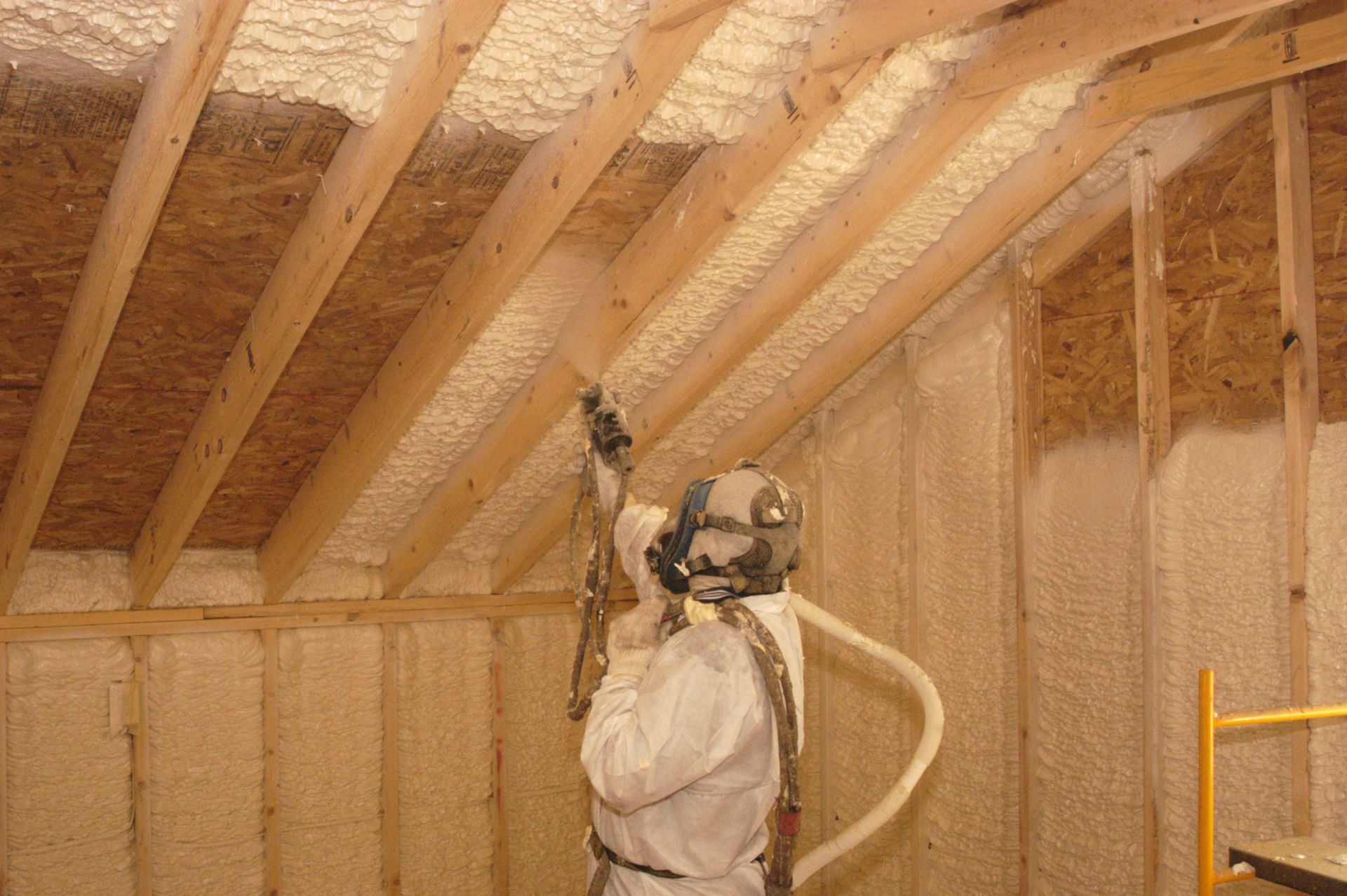
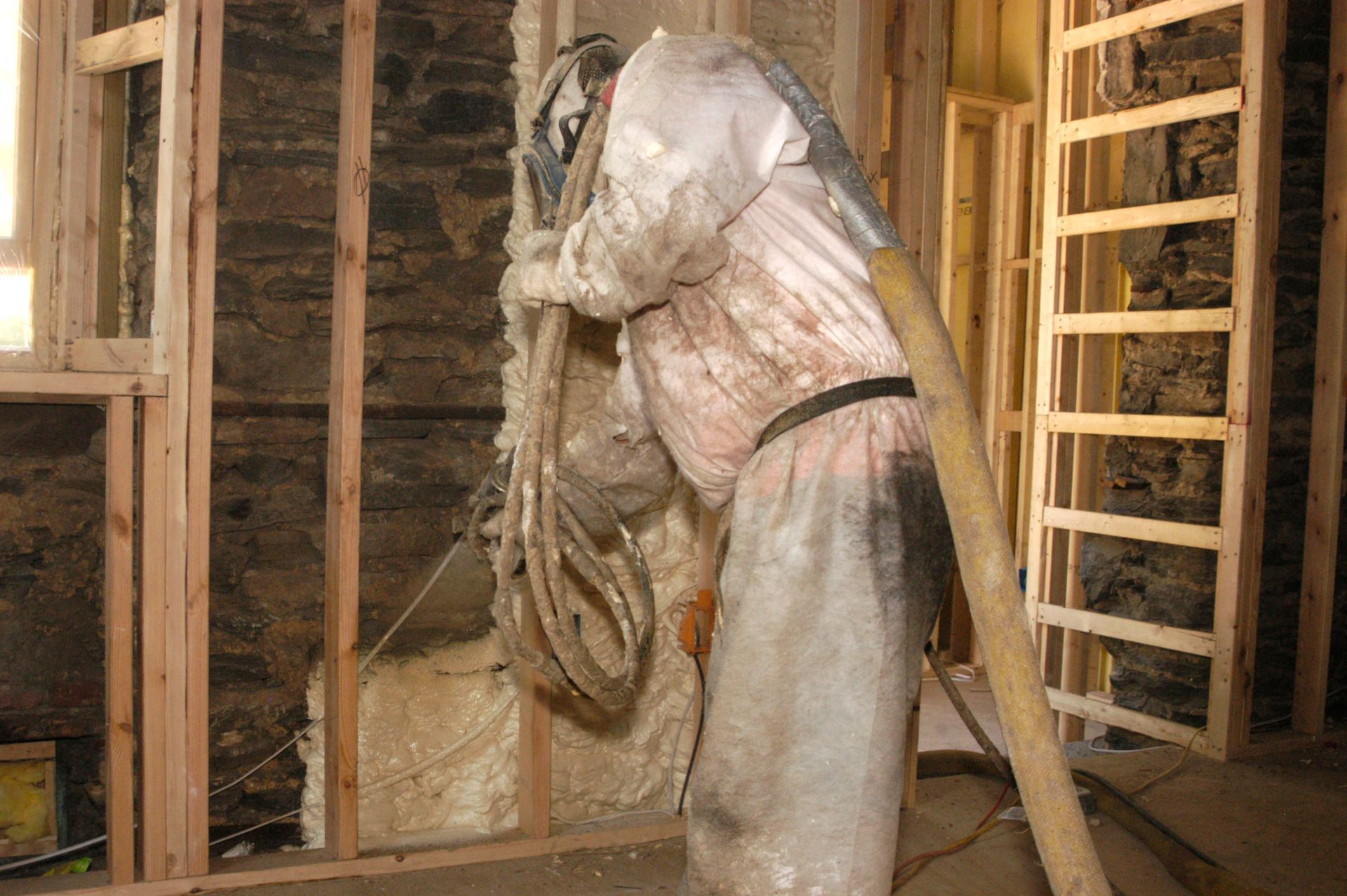
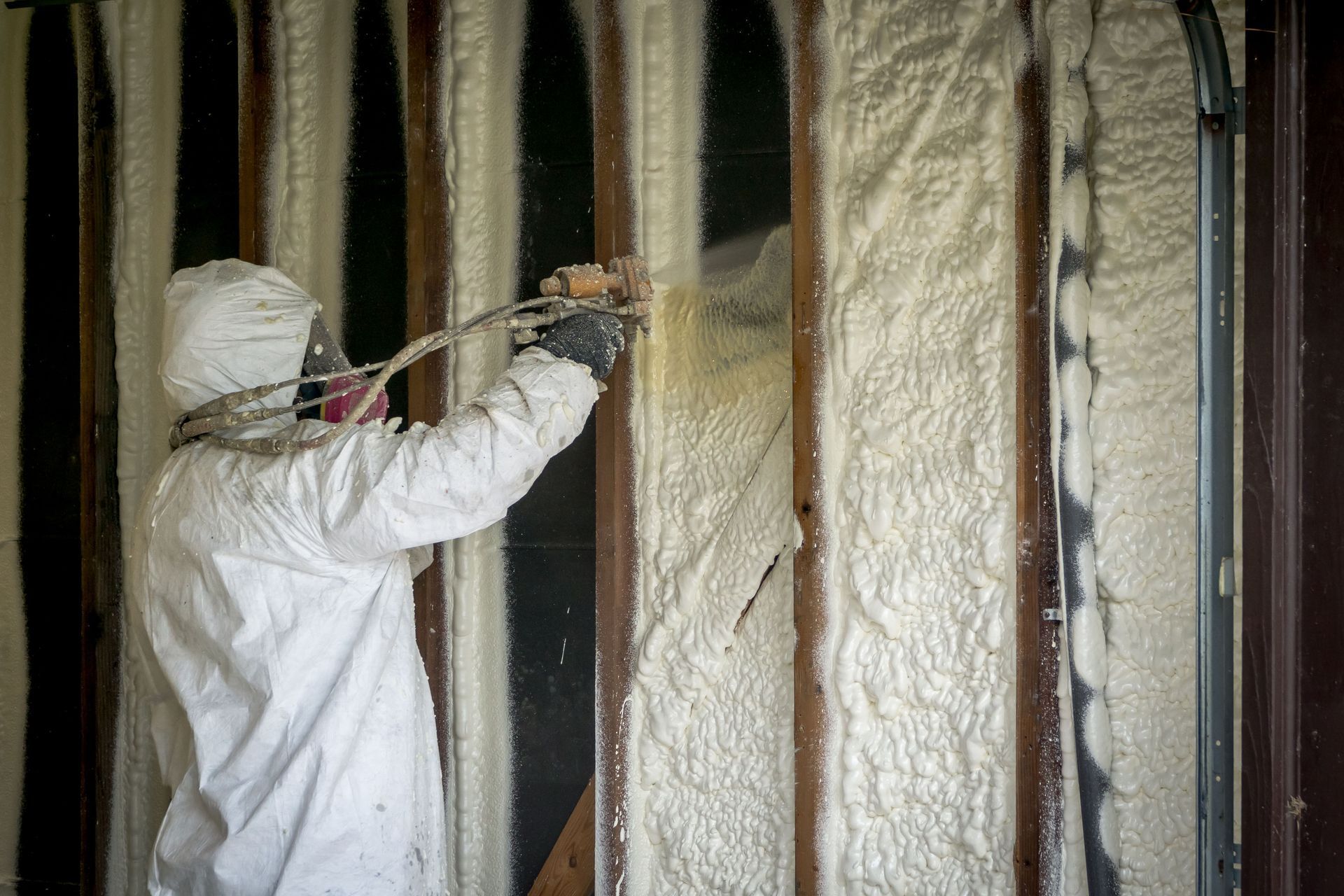
The lifespan of heating and cooling equipment decreases when forced into constant operation. The constant cycling strains the mechanical components of the system. Replacing worn-out materials takes the load off the HVAC system. According to Consumer Reports 90, spray foam insulation typically has an R-value of R-3.2 to R-7.5 per inch of thickness. This superior protection ensures the mechanical systems operate at peak performance. The machinery enjoys a longer functional life. The entire system works in harmony.
3. Detecting Lingering Moisture and Mold
Condensation on interior glass surfaces warns of high indoor humidity. When warm, moist air hits cold glass, water droplets form on the surface. This moisture indicates a lack of proper ventilation and thermal protection. Sealing the building envelope manages this humidity balance. Keeping the interior dry preserves the structural integrity of the window frames. Ignoring the condensation leads to wood rot and decay. A dry house is a healthy house.
Damp spots on ceilings or walls trace back to poor attic ventilation and degraded barriers. Warm air rising and meeting a cold roof deck creates condensation. This water drips onto the ceiling materials below, creating unsightly stains. A professional insulation service assesses the situation and resolves these moisture pathways. Stopping the moisture intrusion protects the drywall and paint. The interior surfaces remain pristine and free of water damage. Professional intervention prevents widespread decay.
Musty odors in basements or crawlspaces suggest unchecked dampness below the living area. Without a proper vapor barrier, ground moisture seeps into the structure. This dampness encourages fungal growth on wooden joists. Securing the lower levels prevents structural damage and unpleasant smells. A dry crawlspace stops the upward migration of foul odors. The air quality inside the house improves. Protecting the foundation ensures the longevity of the entire structure.
Mold growth poses health risks to the occupants of the house. Spores thrive in dark, damp environments created by thermal leaks. Eliminating the condensation source stops the fungal spread in its tracks. Upgrading the wall and attic barriers keeps the interior dry and healthy. Clean air is essential for respiratory wellness. A moisture-free environment denies mold the conditions it needs to grow. The inhabitants enjoy clean air in a well-protected space.
4. Hearing Distracting Outside Noise Pollution
Sound travels through thin or empty wall cavities. Hearing street traffic or barking dogs from inside indicates insufficient mass within the walls. Dense materials absorb sound waves, creating a quiet sanctuary for residents. A lack of quiet disrupts relaxation and sleep routines. Upgrading the barrier transforms the house into a peaceful retreat. The chaos of the outside world stays outside. A serene environment promotes mental well-being.
Interior walls benefit from acoustic dampening. Hearing conversations from adjacent rooms disrupts privacy within the household. Adding density between bedrooms or bathrooms enhances the peacefulness of a house. Many homeowners overlook the acoustic benefits of upgrading their interior walls. Soundproofing the interior spaces creates distinct zones of privacy. Family members enjoy their activities without disturbing others. A quiet home fosters a harmonious living situation.
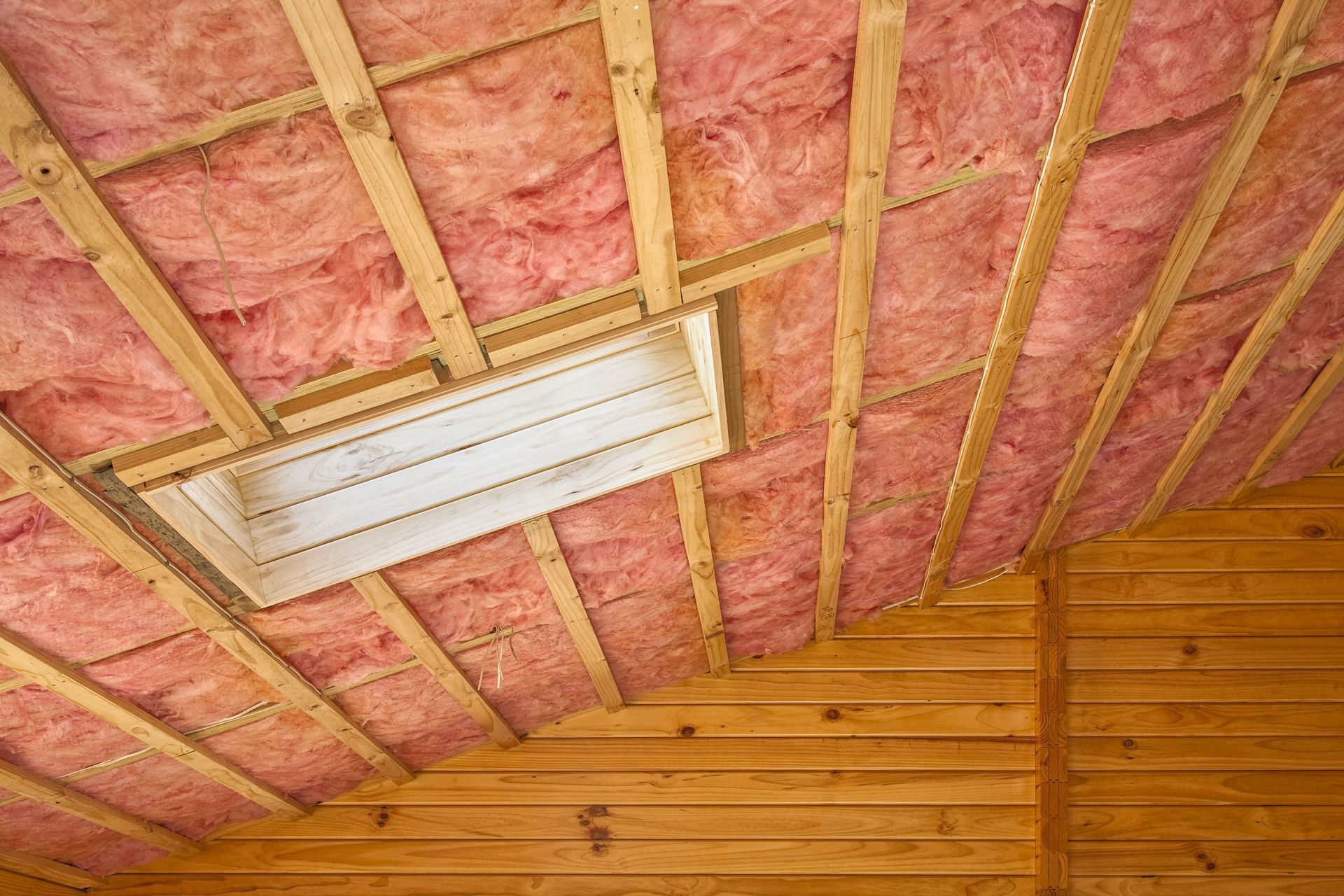
Different materials offer varying levels of sound absorption. Blown-in fiberglass or cellulose fills the gaps where sound travels. An experienced insulation service recommends the best materials for noise reduction. Filling the empty cavities blocks the transmission of sound waves. The dense fibers trap the noise before it reaches the interior rooms. Professional advice ensures the right product is chosen for the specific noise problem. The result is a noticeable decrease in ambient noise.
The combination of thermal and acoustic benefits makes upgrading a wise choice. Homeowners enjoy a quiet environment alongside stable temperatures. The peace of mind that comes from a well-sealed home is invaluable. Protecting the living space from weather and noise improves daily life. The upgrade provides a combined benefit for the residents. Comfort and quiet are hallmarks of a superior building envelope. The investment yields tangible improvements in lifestyle.
Addressing these issues requires professional expertise and quality materials. Homeowners should seek an expert insulation service to evaluate their specific needs. Upgrading the thermal barrier protects the structural integrity of the house. A well-sealed home provides enduring comfort and peace of mind for the future. The final result is a pristine living space. Protecting the investment guarantees long-term satisfaction. The house stands strong against the test of time. Contact Rubens Spray Insulation Inc to schedule a comprehensive evaluation of your property. Our expert insulation service will restore comfort and efficiency to your home.

Share On: