
What Happens During a Spray Foam Insulation Installation?
Spray foam insulation is a cutting-edge solution designed to enhance the energy efficiency of homes and buildings. Unlike traditional insulation methods, spray foam adapts to the contours of walls, ceilings, and floors, effectively sealing gaps and crevices. This ability to form an airtight seal makes it one of the most effective types of insulation available on the market. Homeowners increasingly opt for spray foam insulation to reduce energy bills, maintain comfortable indoor temperatures, and enhance overall indoor air quality. This article aims to provide a comprehensive overview of the spray foam insulation installation process. We will explore each phase, from initial assessment and preparation to post-installation inspection, highlighting the importance of safety and quality control. Spray foam insulation isn't just about initial energy savings; it's an investment that enhances the value of your property for decades.
Evaluate the Property for Insulation Needs and Preparation Steps
The installation process for spray foam insulation begins with a detailed initial assessment of the property. Assessors evaluate the current state of insulation, identify areas prone to energy loss, and decide on the best approach for the installation. Preparing the site correctly is essential and includes removing any obstacles that may interfere with the application. Prior installation assessments also consider the type of spray foam needed, as different formulations are available depending on specific insulation requirements.
Professionals also assess any environmental factors that might impact the installation process. For instance, temperature and humidity levels can affect the expansion and curing of spray foam, making timing a crucial factor. Property owners are often apprised of the plan, timeline, and any prior installation requirements. This initial assessment and preparation phase ensures that the installation proceeds smoothly without unexpected delays or complications.
An accurate assessment allows for a tailored insulation strategy that meets the unique needs of each property. It is during this initial stage that potential challenges are identified, allowing for adjustments in the approach to ensure that the insulation will perform optimally. Effectively preparing for spray foam installation proves essential in maximizing the material's lifespan and optimizing energy efficiency.
Select and Prepare Equipment and Materials for Efficient Application
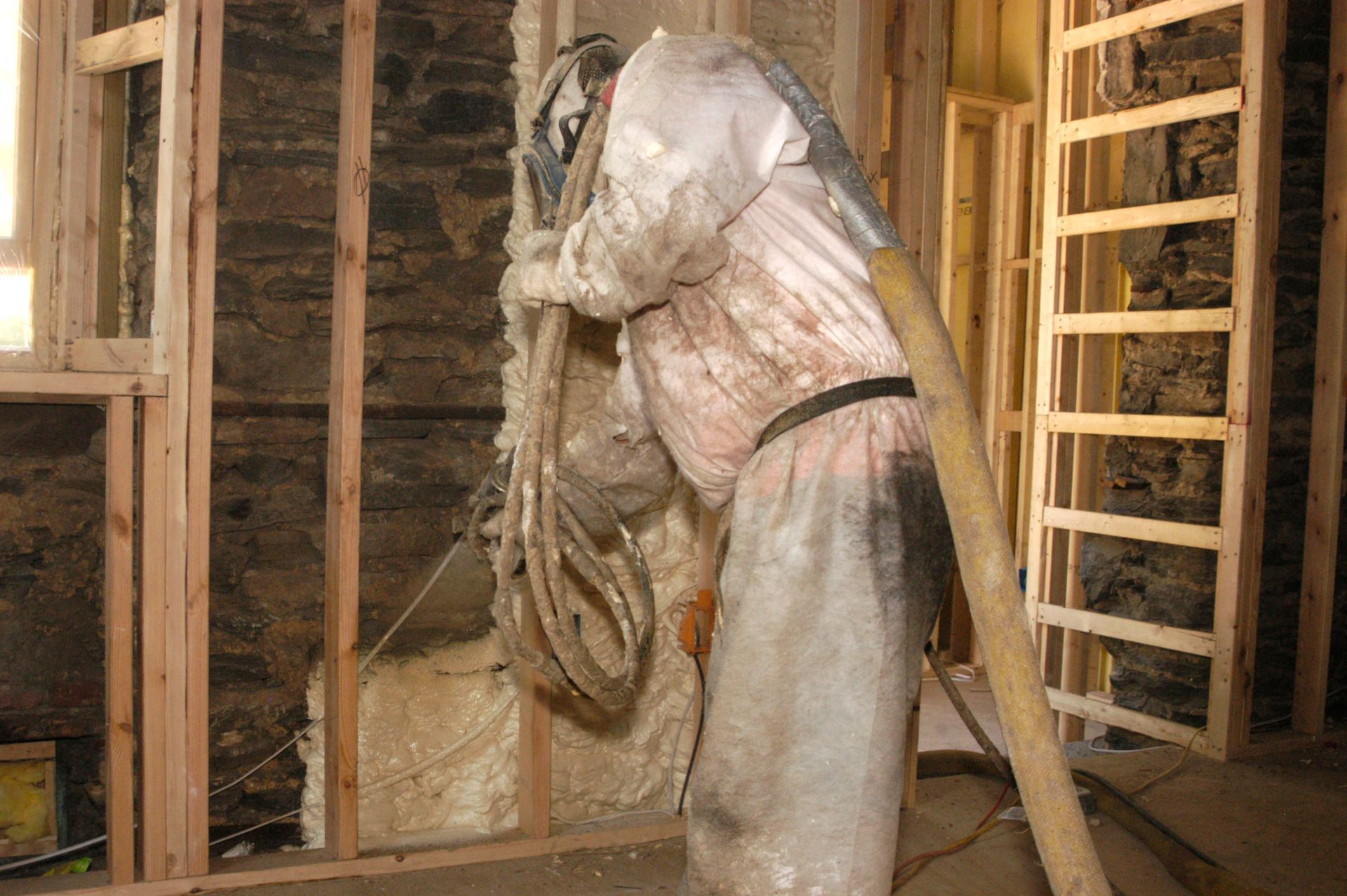
Spray foam insulation relies on specialized equipment that facilitates the mixing and application of foam components. Applicators use high-pressure hoses and spray guns to apply the foam evenly, ensuring complete coverage in all designated areas. Proper machinery is vital for maintaining the correct temperature and pressure required for the foam to expand and cure adequately. Each piece of equipment is calibrated to provide consistent quality outcomes throughout the installation process.
The materials utilized in spray foam insulation typically include two main components, which are mixed during application to form the foam. These components react quickly upon combining, creating an expanding foam that fills cracks and crevices. Specialized spray foam chemicals are used because of their unique properties, which allow the foam to provide superior insulating capabilities over traditional methods. Contractors must use high-quality materials to ensure the long-lasting performance of the insulation.
Using the right equipment and materials greatly influences the success of the installation and its longevity. High-grade materials not only yield better insulating results but also contribute to the durability of the insulation. According to Bob Vila, spray foam can last up to 80 years, which is approximately three times as long as other types of insulation, underscoring the importance of choosing quality materials for the initial installation.
Apply Spray Foam Insulation Using a Controlled Step-by-Step Process
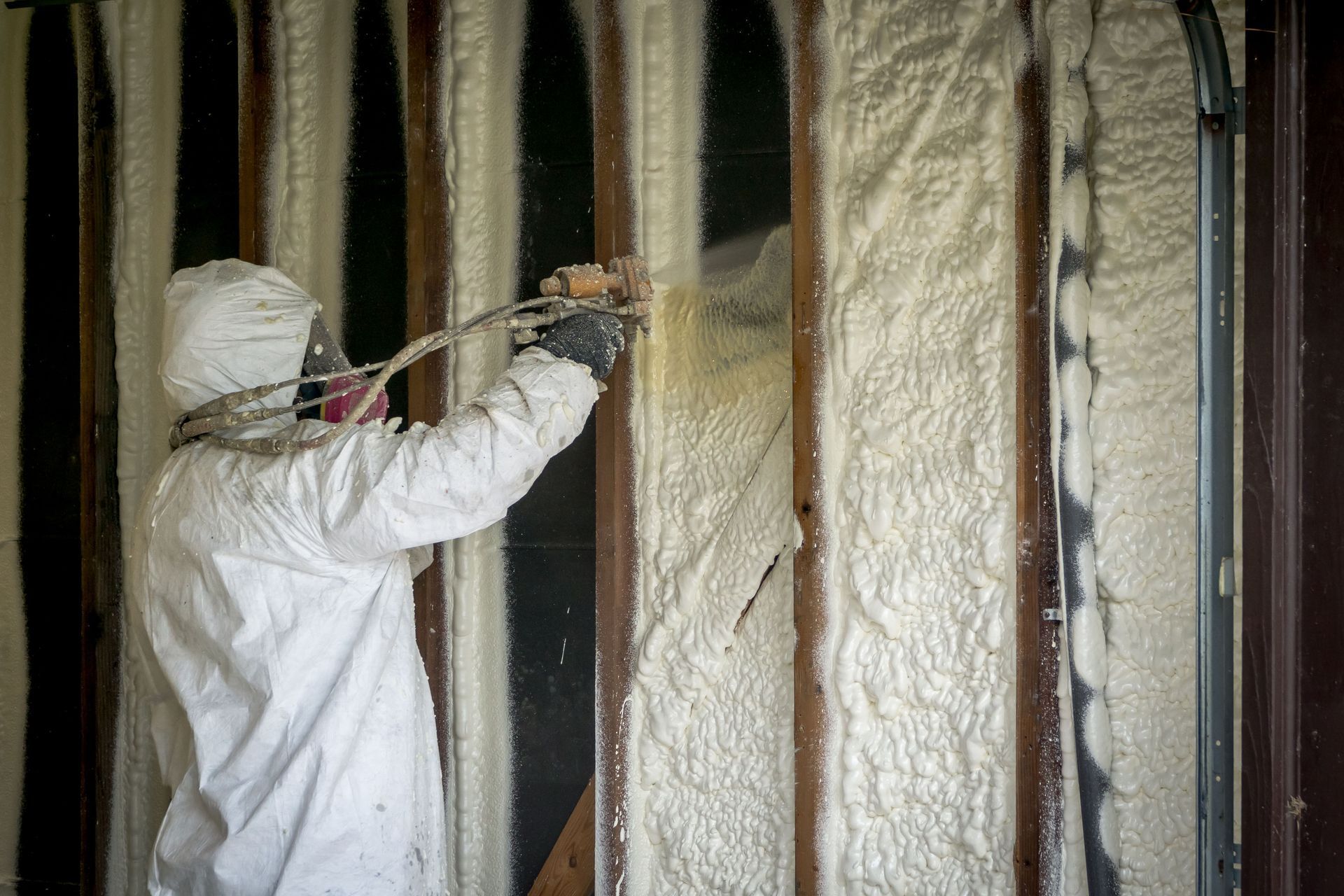
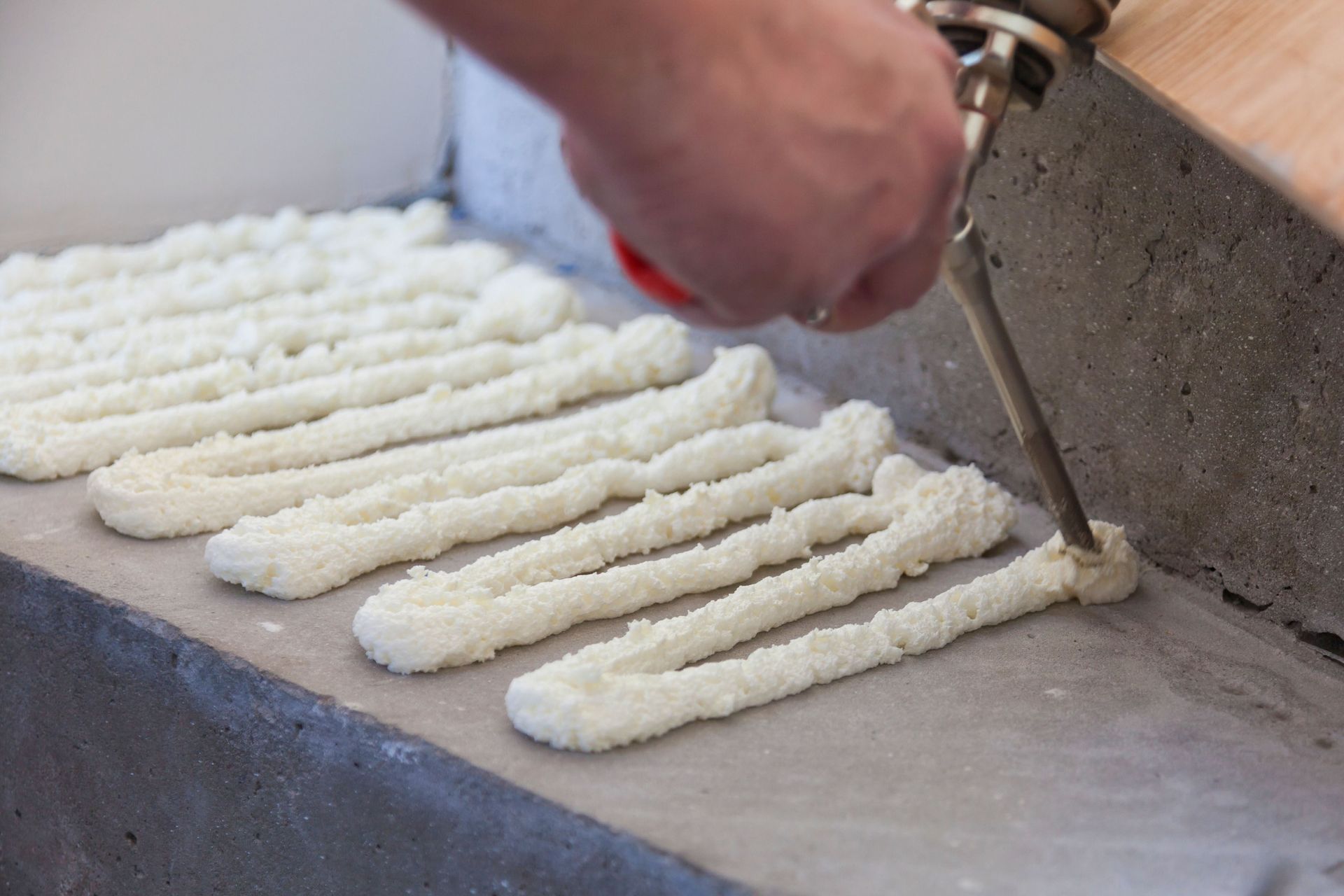
The step-by-step spray foam insulation installation process begins with surface preparation, ensuring all areas are clean and dry. Installers wear protective gear and follow safety protocols while handling the spray equipment. The next step involves applying the spray foam in layers, ensuring each layer is allowed to cure before the next is applied, thus avoiding potential issues like off-gassing or compromised structural integrity of the foam. The application is highly monitored to ensure each coat adheres correctly, providing maximum efficiency and durability.
Following the layered application, detailed inspections are carried out to check for uniformity in foam thickness and coverage. Installers scrutinize for any missed sections that could compromise the overall insulating value of the installation. After ensuring consistency, a final layer is applied to seal the area completely, providing a comprehensive thermal barrier. Any excess foam is trimmed, leaving a smooth, even surface.
Every step in the procedure is important to ensure the spray foam insulation performs as intended and provides maximum energy efficiency benefits. From start to finish, the installation process is carefully managed to deliver a final product that not only insulates but also adds strength and protection to the structural integrity of the property. This methodical approach to installation ensures that the spray foam insulation delivers its benefits for many decades to come.
Enforce Safety Protocols Throughout the Installation Process
Safety is a paramount concern during the installation of spray foam insulation, as handling chemicals requires strict adherence to safety protocols. Installers must wear personal protective equipment that includes gloves, masks, and eyewear to prevent exposure to the chemicals involved in the insulation process. Ventilation is another critical aspect of safety, as the chemicals can release fumes that need to be adequately vented to prevent inhalation and ensure a safe working environment. Proper training in the handling and disposal of materials is essential for maintaining safety standards.
In addition to protective gear, the installation site must be effectively prepared to minimize risks. This involves isolating the work area to prevent unauthorized access, thus reducing the potential for accidents. Contractors use signs and barriers to caution individuals about the ongoing installation, ensuring everyone’s safety. As the foam expands, continuous monitoring is required to ensure a controlled application and to mitigate any health or environmental issues that may arise.
Post-installation, the site is thoroughly cleaned and inspected for safety compliance. Any hazardous materials are disposed of in line with local regulations to minimize environmental impact. Contracting firms are diligent in conducting safety audits to confirm that every aspect of the installation process adheres to the highest safety standards. The commitment to safety not only protects workers but also assures homeowners of a safe and effective installation process.
Inspect and Verify Insulation Quality After Installation Completion
Once the installation is complete, a thorough inspection process is critical to confirming the integrity of the spray foam insulation. Inspectors verify the thickness and uniformity of the foam, ensuring that it adheres correctly to walls and reaches every intended area. Deviations from the standard can compromise the effectiveness of the insulation, making this step crucial in delivering a quality outcome. Ensuring that the foam meets industry standards is foundational to the long-term performance and efficiency of the insulation.
Quality control measures include testing the insulation's thermal resistance and evaluating its immediate performance. Any sections failing to meet the required standards are addressed promptly, often by reapplication of the spray foam to rectify any inconsistencies. This commitment to quality assurance guarantees that the insulation will perform as expected and that homeowners will experience the full energy-saving benefits the installation promises to deliver. Regular follow-up assessments may also be arranged to monitor the insulation's performance over time.
Spray foam insulation installation is a sophisticated and detailed process designed to maximize energy efficiency and comfort within residential or commercial properties. The careful planning, skilled execution, and rigorous safety protocols ensure that homeowners can enjoy the full benefits of spray foam's unique insulating properties. By providing an airtight seal and superior thermal resistance, spray foam insulation substantially improves home energy efficiency, making it a wise investment for the future. Reach out to Rubens Spray Insulation Inc to learn more about our services today.

Share On: