
More Than Just Warmth: The Hidden Benefits of Spray Foam Insulation
When homeowners consider upgrading their thermal envelope, they usually focus on staying warm during winter and cool in summer. While thermal comfort is a primary goal, focusing solely on temperature control overlooks a vast array of secondary advantages. High-performance spray foam insulation stands out as one of the most versatile upgrades available for modern properties. By addressing multiple building challenges at once, this material provides long-term value that goes well beyond basic temperature regulation.
Understanding these benefits requires looking at how building materials interact with a home's overall environment. Traditional insulating materials often settle over time or allow air currents to pass through freely, which compromises efficiency. By creating an airtight seal, modern materials prevent unwanted drafts that make living spaces uncomfortable. Furthermore, this seamless barrier plays a critical role in managing indoor moisture, reducing external noise, and supporting the physical structure.
Investing in high-quality materials is an investment in long-term property value, family wellness, and daily living comfort. According to Bob Vila, unwanted air leakage entering and exiting a home, such as through unsealed windows, can account for up to 40% of a home’s total energy costs. By addressing these hidden vulnerabilities, homeowners can significantly decrease monthly energy consumption while creating a healthier indoor environment. The following sections explore the non-thermal advantages that make this material an essential choice for modern construction.
Enhancing Household Energy Performance
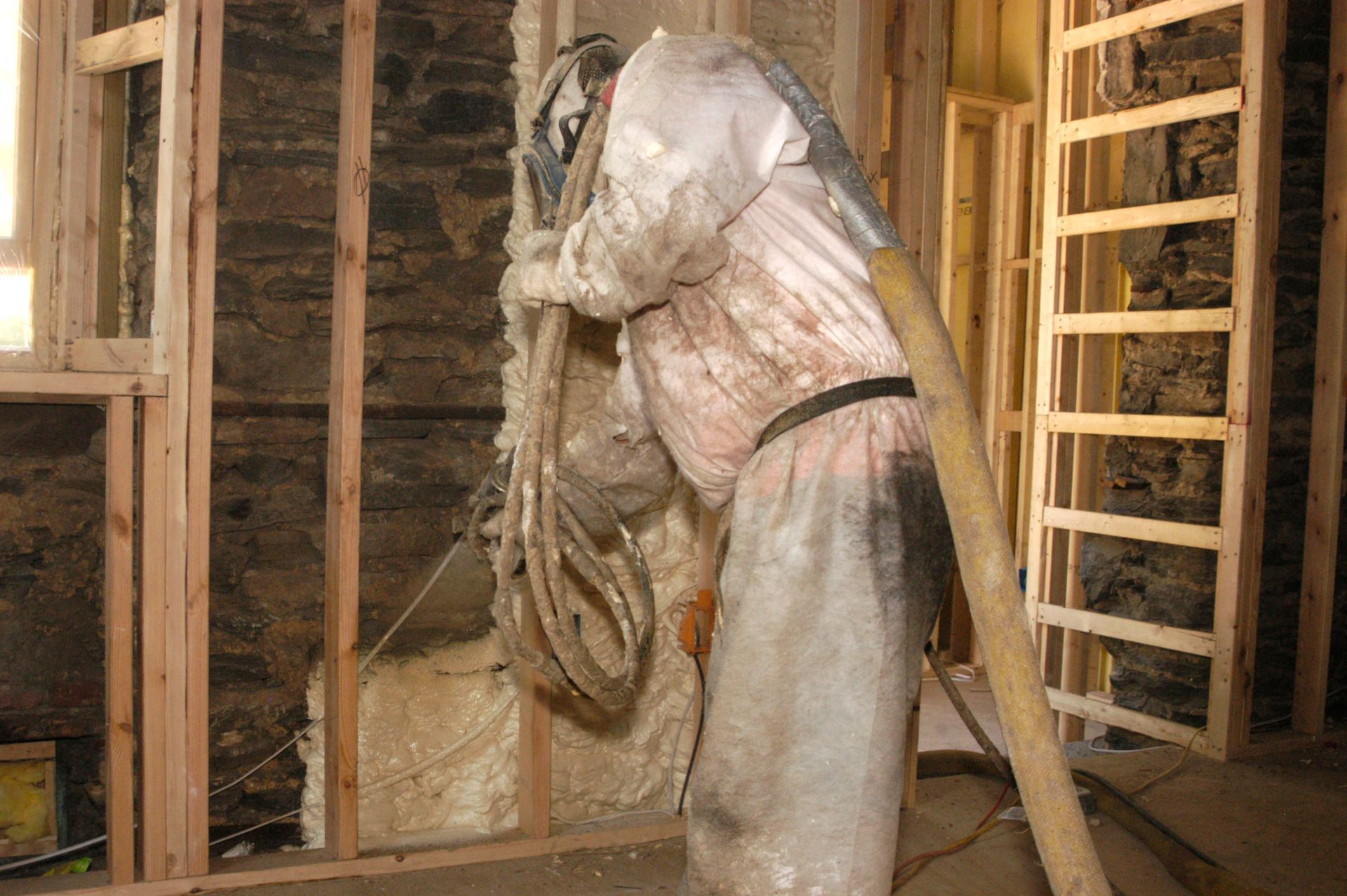
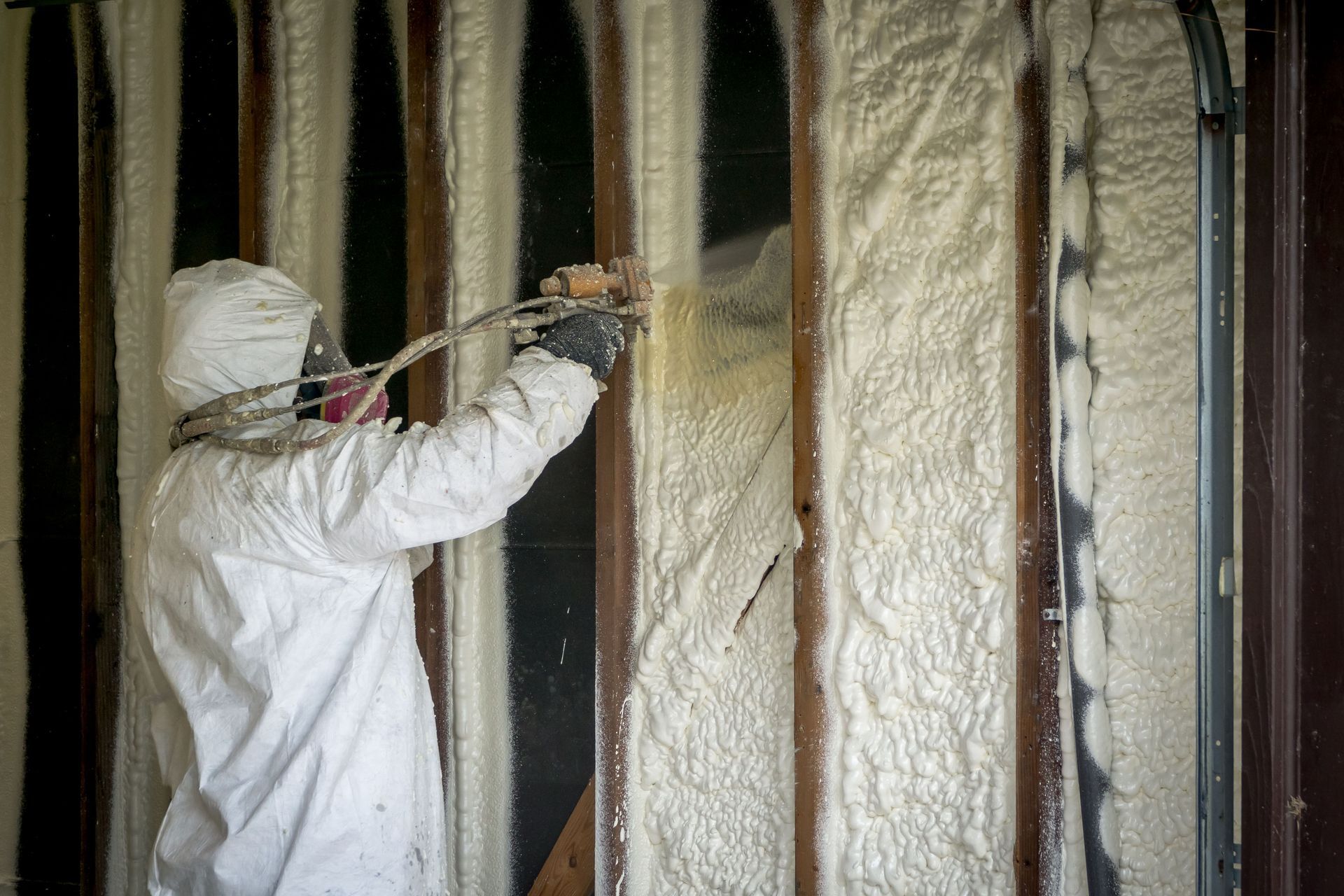
The primary mechanism driving high energy bills is uncontrolled air exchange between interior and exterior environments. When conditioned air continuously escapes through microscopic cracks, heating and cooling systems must run constantly. Modern spray foam insulation resolves this issue by expanding into every crevice, forming a continuous air barrier that stops draft movement. This airtight seal drastically reduces the operational workload on heating and cooling equipment throughout the year. Consequently, mechanical systems experience less wear and tear, leading to extended operational lifespans.
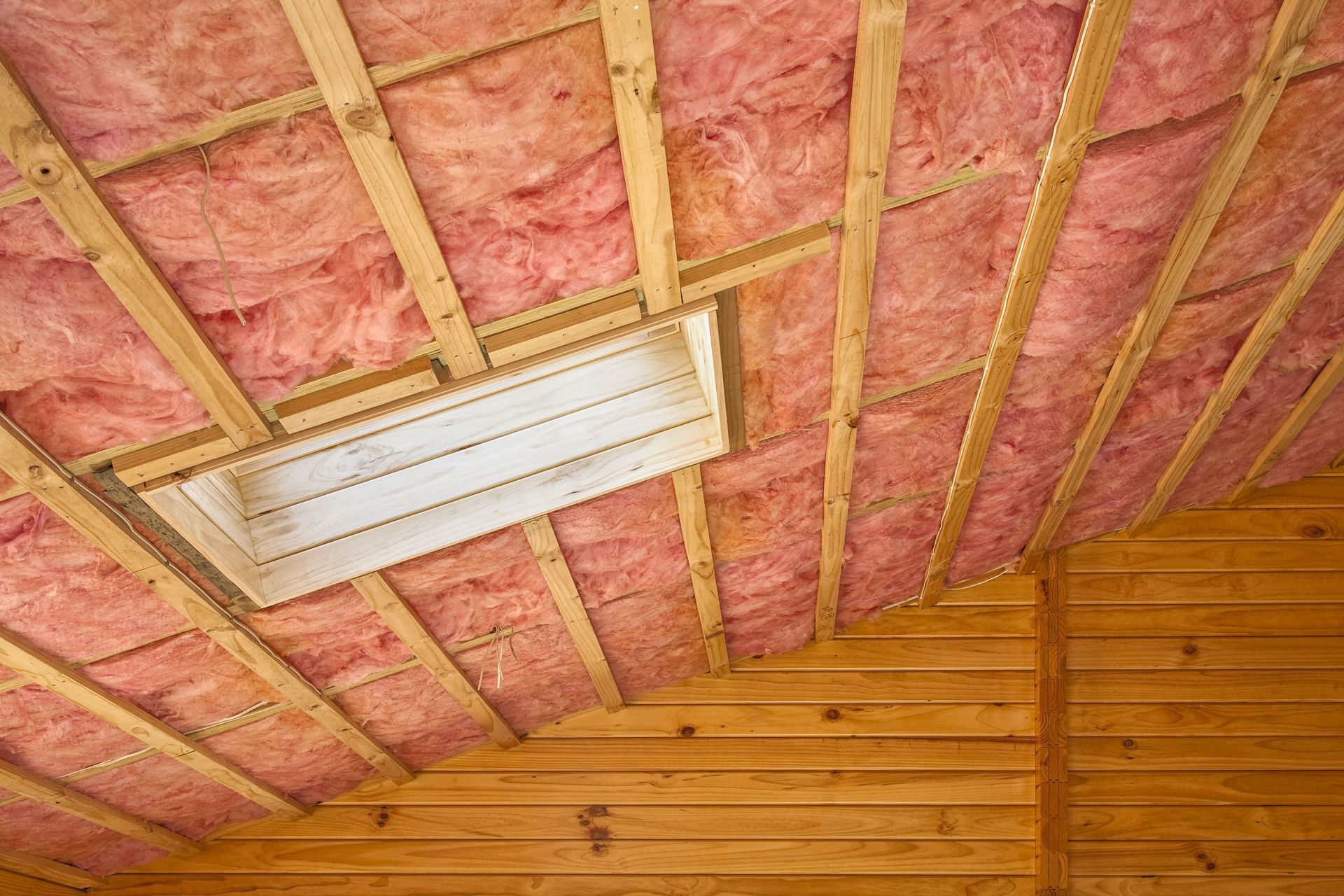
Beyond lowering utility bills, maintaining consistent indoor temperatures prevents sudden HVAC system overloads during extreme weather. Traditional fiberglass batts often sag over time, creating pathways for warm or cool air to escape into unconditioned spaces. In contrast, spray foam insulation retains its original volume permanently, ensuring that energy-saving performance remains constant for decades. Property owners do not have to worry about degrading efficiency or costly material re-applications down the road.
Furthermore, minimizing air leakage contributes to a significantly lower carbon footprint for the entire household. Residential energy consumption accounts for a substantial portion of local power grid demand, meaning efficient homes directly reduce utility loads. When homes lower power consumption, localized carbon emissions drop accordingly across whole communities. Property owners can take pride in knowing their home improvement choices actively support broader environmental sustainability efforts.
Blocking Destructive Moisture Accumulation
Moisture is undeniably one of the most destructive forces a home can face, leading to structural rot and expensive repairs. Standard fibrous insulation materials can absorb water vapor like a sponge, trapping dampness against wooden studs and drywall. Installing spray foam insulation acts as both an air barrier and a moisture vapor retarder, blocking liquid water from penetrating the building envelope. By preventing humid air from contacting cold structural surfaces, this material eliminates condensation before it ever forms.
Preventing moisture intrusion also halts the growth of wood-destroying organisms that thrive in damp environments. Fungi and rot bacteria require elevated moisture levels to colonize structural timber and weaken load-bearing framing members. When ambient humidity levels remain strictly controlled by an impermeable barrier of spray foam insulation, these destructive organisms cannot survive or multiply. Homeowners avoid expensive structural repairs that often result from hidden water damage.
Additionally, managing moisture prevents the cosmetic damage that frequently accompanies water intrusion along exterior walls. Water leaks often manifest as peeling paint, discolored drywall, bubbling wallpaper, and ruined floorboards. By sealing potential leak paths, property owners preserve interior finishes and maintain high aesthetic quality throughout living areas. This long-term protection saves thousands of dollars in routine interior maintenance projects.
Elevating Indoor Air Quality
Indoor air quality plays a vital role in personal health, particularly for individuals suffering from seasonal allergies or respiratory sensitivities. Traditional building envelopes contain countless tiny gaps through which dust, outdoor allergens, pollen, and pollutants enter living areas. Applying spray foam insulation seals these hidden pathways completely, preventing airborne irritants from migrating into bedrooms, kitchens, and living rooms. Consequently, the interior atmosphere remains far cleaner and freer from external biological pollutants throughout every season.
In addition to keeping outdoor pollutants out, an airtight seal prevents indoor contaminants from migrating into main living quarters from attached garages or basements. Subterranean spaces frequently harbor soil gases, radon, mold spores, and high humidity that travel upward through unsealed floor cavities. Attached garages can store dangerous chemicals, lawn equipment, and vehicle exhaust fumes that slowly leak into nearby rooms. Sealing floor framing creates a robust barrier that isolates living spaces from these hazardous emissions.
Moreover, a thoroughly sealed home enables HVAC filtration systems to operate at maximum mechanical efficiency. When air enters exclusively through managed ventilation pathways rather than random cracks, furnace filters capture virtually all circulating dust. Air purifiers work far more effectively because they treat a controlled volume of air rather than fighting continuous outdoor infiltration. This synergy between physical air sealing and mechanical filtration yields an exceptionally pure indoor environment.
Fortifying Structural Building Integrity
Many property owners are surprised to learn that certain material choices can actually enhance the structural strength of their homes. Dense spray foam insulation cures into a rigid solid that bonds tightly to walls, roof decking, and structural framing. This rigid bonding effect adds substantial racking strength to wall assemblies, helping the building resist powerful shear forces caused by severe storms. Research indicates that walls reinforced with high-density foam can withstand significantly higher wind loads than unreinforced framing.
Furthermore, this added rigidity helps prevent the subtle shifting and settling movements that cause drywall cracks and squeaky floorboards over time. As homes age, seasonal temperature changes cause minor structural movements that damage interior finishes and break window seals. The rigid backing provided by high-density materials acts as a stabilization matrix, distributing loads evenly across the entire frame. This structural stabilization keeps doors closing smoothly and drywall surfaces remaining unblemished for years.
Finally, reinforcing roof assemblies with dense materials provides critical protection during major storm events and heavy snowfalls. In regions prone to severe winter weather, heavy snow accumulation on roofs places tremendous weight on trusses and rafters. Dense foam layers support the roof deck from below, distributing weight evenly and reducing the risk of structural failure. This added structural security protects both the physical building asset and the residents inside.
Upgrading your home’s envelope is one of the most effective strategies for enhancing overall living quality, reducing utility bills, and protecting your property investment. Beyond simple temperature regulation,
spray foam insulation offers unequaled protection against moisture intrusion, poor indoor air quality, structural movement, and energy waste. By taking a comprehensive approach to building performance, property owners create a healthier, quieter, and far more durable living space for their families.
At Rubens Spray Insulation Inc, we take immense pride in helping property owners achieve maximum energy performance and structural protection through precision application techniques. Our team of experienced professionals works closely with you to design a customized insulation strategy tailored specifically to your home’s unique architectural needs. Contact us today to schedule your comprehensive home evaluation and let us help you create a safer, drier, and more comfortable home.

Share On: