
Questions to Ask Your Insulation Contractor Before Starting the Job
Upgrading your home’s insulation is one of the most effective ways to improve indoor comfort, lower energy bills, and maintain consistent temperatures throughout the year. However, the success of any insulation project depends largely on the knowledge and professionalism of the insulation contractor you choose. A qualified professional does more than install materials; they evaluate your home, recommend appropriate solutions, and ensure the installation performs as expected for years to come.
Because insulation directly affects energy efficiency, air quality, and overall home performance, homeowners need to ask thoughtful questions before work begins. Doing so helps you understand the contractor’s expertise, the materials they recommend, and the process they plan to follow. The following questions can guide your conversation with an insulation contractor and help ensure your project delivers the comfort and efficiency you expect.
What Credentials and Experience Should Your Insulation Contractor Have?
Before hiring anyone to work on your home, it’s essential to understand their qualifications. Asking about licensing, certifications, and professional training helps confirm that the insulation contractor operates according to industry standards and local regulations. Proper credentials indicate that the contractor has the technical knowledge required to handle insulation materials safely and install them correctly.
Experience is equally important. A contractor who has completed many projects similar to yours is more likely to recognize potential challenges and address them effectively. Homes vary widely in construction style, age, and ventilation systems, so experience working in different environments can make a major difference in the final results.
It’s also helpful to ask how long the insulation contractor has been working specifically with spray foam insulation or other specialized materials. Contractors with extensive experience understand the nuances of application techniques and can tailor solutions to your home’s unique needs. The more informed you are about their background, the more confident you can feel moving forward with the project.
What Type of Insulation is Best for Your Home?
Not all insulation materials perform the same, which is why discussing options with an insulation contractor is an important early step. Different materials offer varying levels of thermal resistance, air sealing, and moisture control. A knowledgeable professional should evaluate your home’s structure, attic space, wall cavities, and ventilation before recommending a specific solution.
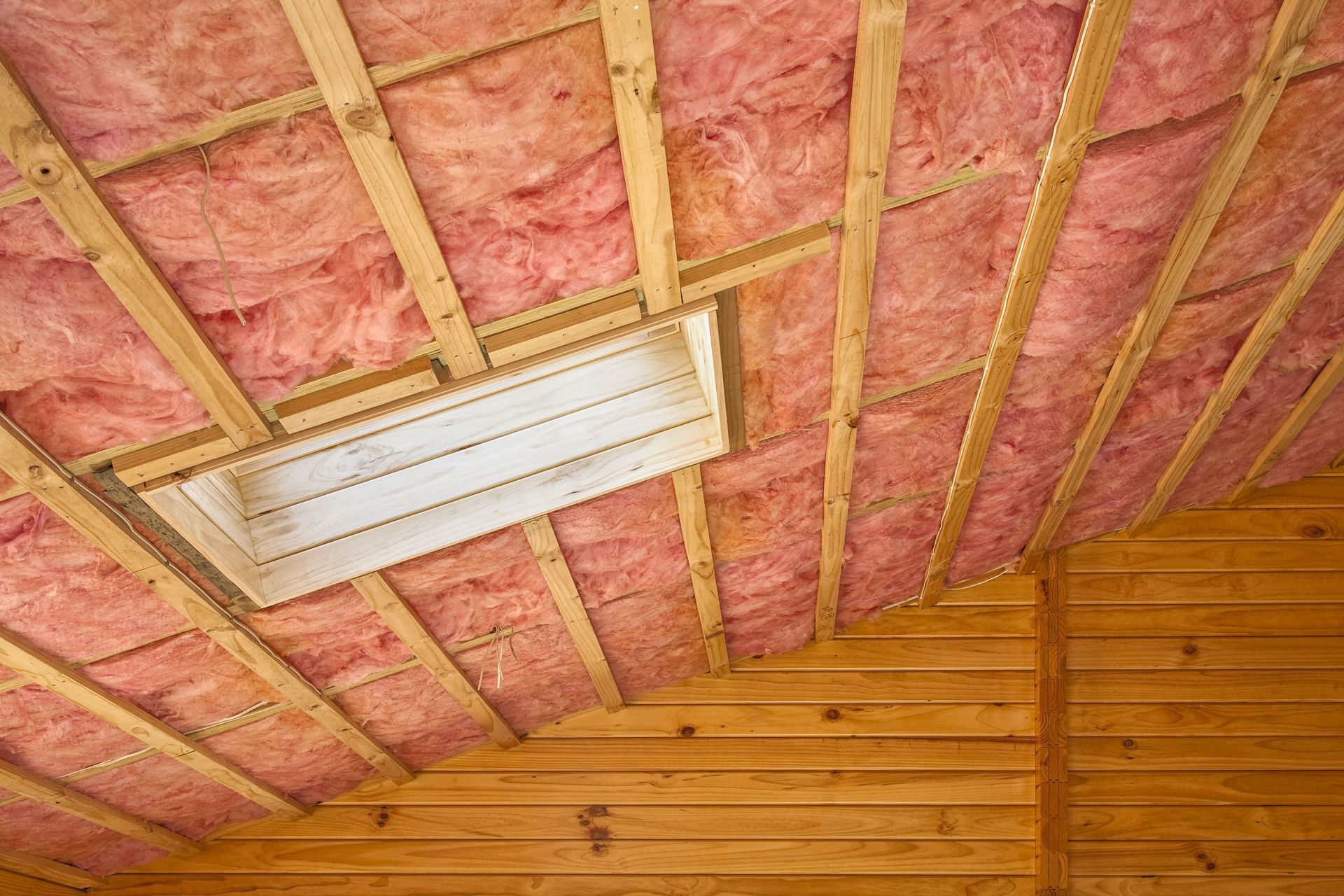
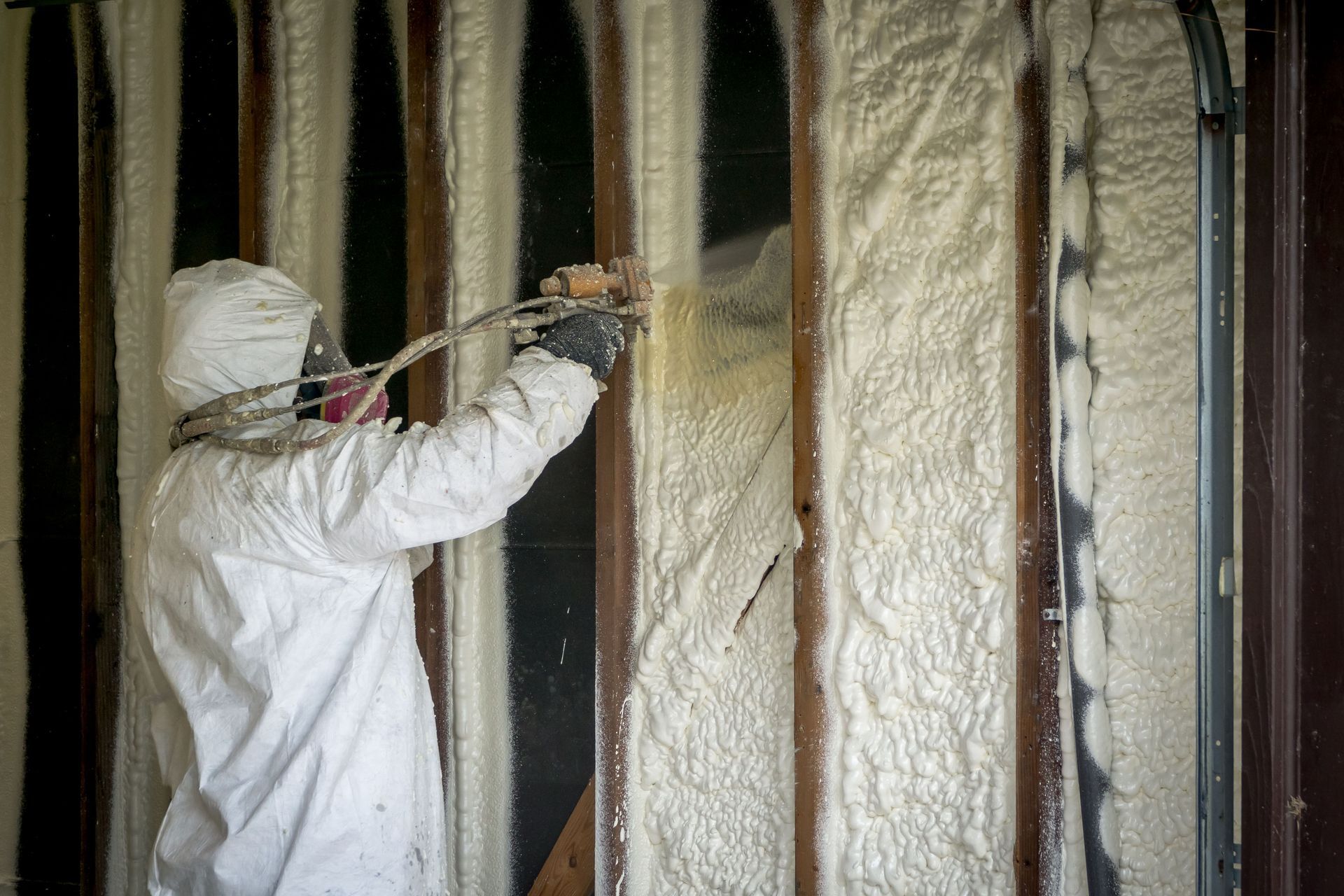
For many homeowners, spray foam insulation is a highly effective option because it expands to fill gaps and create a tight air seal. This helps reduce drafts and prevents conditioned air from escaping. An experienced insulation contractor will explain how spray foam works, where it is most beneficial, and how it compares with other insulation materials.
During this conversation, homeowners may learn that their property is not insulated as effectively as they assumed. According to the EPA, in the U.S., nine out of 10 homes are under-insulated. This statistic highlights why professional evaluation matters. When the right insulation type is selected and installed correctly, homeowners can significantly improve comfort and reduce unnecessary energy loss.
How Will the Insulation Contractor Evaluate Your Home?
Every home is different, which is why a thorough evaluation should occur before installation begins. Asking how the insulation contractor plans to assess your property helps ensure the project is based on accurate information rather than assumptions.
A detailed inspection typically includes examining attic areas, crawl spaces, exterior walls, and existing insulation levels. The contractor may also check for air leaks around windows, ductwork, and electrical openings. These gaps can allow heated or cooled air to escape, reducing the effectiveness of your HVAC system.
A skilled insulation contractor will use this assessment to determine where improvements are needed most. For example, they might recommend sealing certain areas before applying insulation or suggest upgrading insulation in key locations such as the attic or rim joists. By understanding the contractor’s evaluation process, homeowners gain a clearer picture of how the project will improve their home’s overall efficiency.
What Should You Expect During the Installation Process?
Understanding how the installation will unfold helps homeowners prepare and avoid surprises. Asking your insulation contractor about the process provides clarity on how long the work will take and what steps are involved.
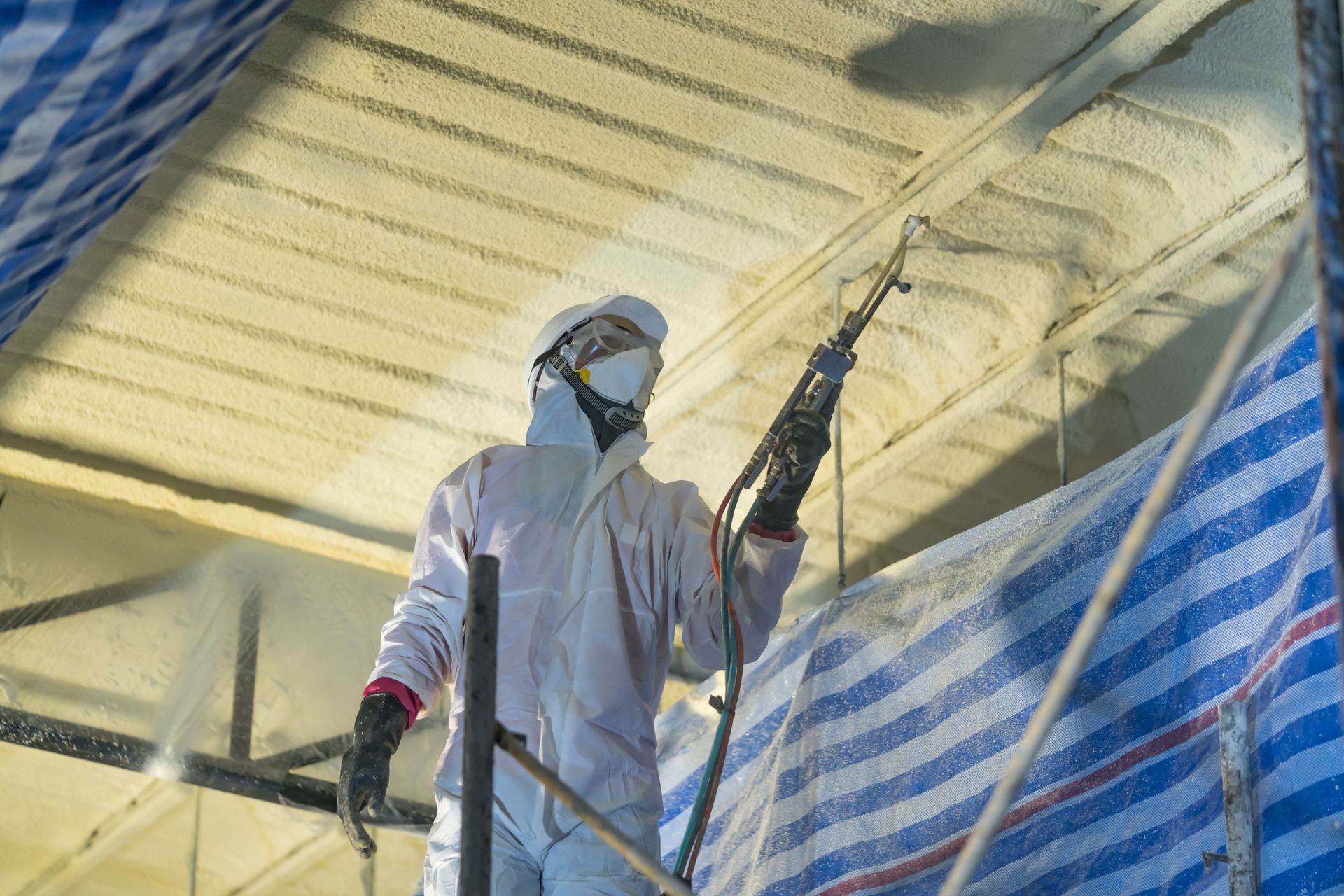
During installation, professionals typically begin by preparing the work area and ensuring surfaces are clean and accessible. If spray foam insulation is being installed, specialized equipment is used to apply the material evenly so it expands and forms an airtight seal. The insulation contractor can explain how they maintain consistent coverage and monitor the curing process.
Homeowners may also want to ask about temporary disruptions, such as restricted access to certain areas during installation. Knowing what to expect allows families to plan accordingly and helps the project proceed smoothly. Clear communication about the installation process also demonstrates that the insulation contractor values transparency and professionalism.
How Are Costs, Estimates, and Warranties Handled?
Discussing financial details early in the process helps establish clear expectations. A reputable insulation contractor should provide a detailed estimate outlining the cost of materials, labor, and any additional services required for the project.
Transparency is important when reviewing an estimate. Homeowners should feel comfortable asking questions about how the insulation contractor calculated the costs and what factors might influence the final price. For example, the size of the area being insulated, the type of insulation material used, and the condition of existing insulation can all affect the overall scope of work.
Another important topic to discuss is warranty coverage. Many insulation products include manufacturer warranties, and contractors may also provide workmanship guarantees. Asking about these protections ensures homeowners understand what is covered if issues arise after installation. When cost structures and warranties are clearly explained, it builds trust between the homeowner and the insulation contractor.
How Will the Contractor Ensure Safety and Quality?
Insulation projects involve specialized materials and equipment, making safety and quality control essential considerations. Asking your insulation contractor about their safety protocols can help you understand how they protect both workers and residents during the installation process.
Professionals typically follow strict guidelines when working with insulation materials. This may include using protective gear, maintaining proper ventilation, and limiting access to certain areas while the insulation cures. These precautions ensure the installation process remains safe and efficient.
Quality assurance is equally important. A reliable insulation contractor will verify that insulation has been installed evenly and according to recommended specifications. They may conduct a final walkthrough with the homeowner to review the completed work and answer any remaining questions. This step provides reassurance that the project was completed properly and that the insulation will perform as intended.
Choosing the right professional to handle your insulation project can have a lasting impact on your home’s energy efficiency and comfort. By asking thoughtful questions about credentials, materials, installation methods, costs, and safety practices, homeowners gain valuable insight into the contractor’s expertise and approach. These conversations help ensure the insulation installed in your home delivers long-term performance and reliable protection against energy loss.
Insulation improvements are an investment that affects everything from heating and cooling costs to indoor air quality and overall comfort. Taking the time to carefully evaluate your options and communicate with a qualified professional allows you to move forward with confidence. If you are considering an insulation upgrade and want expert guidance, contact Rubens Spray Insulation Inc today to discuss how professional spray foam insulation can improve your home.

Share On: